Co-design with a live-action roleplay community
2025
project overview
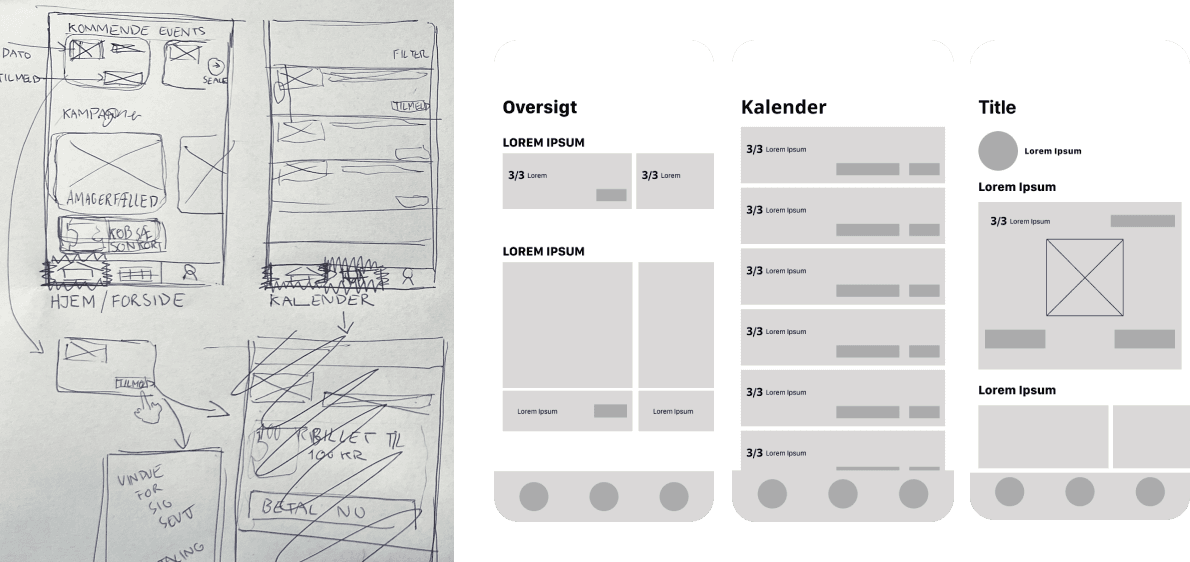
In this project, we co-designed with a live-action role-play community called Rollespilsfabrikken, which hosts events for children and adults. Rather than starting from a predefined focus area, we began with an open-ended investigation of the community's practices and challenges.
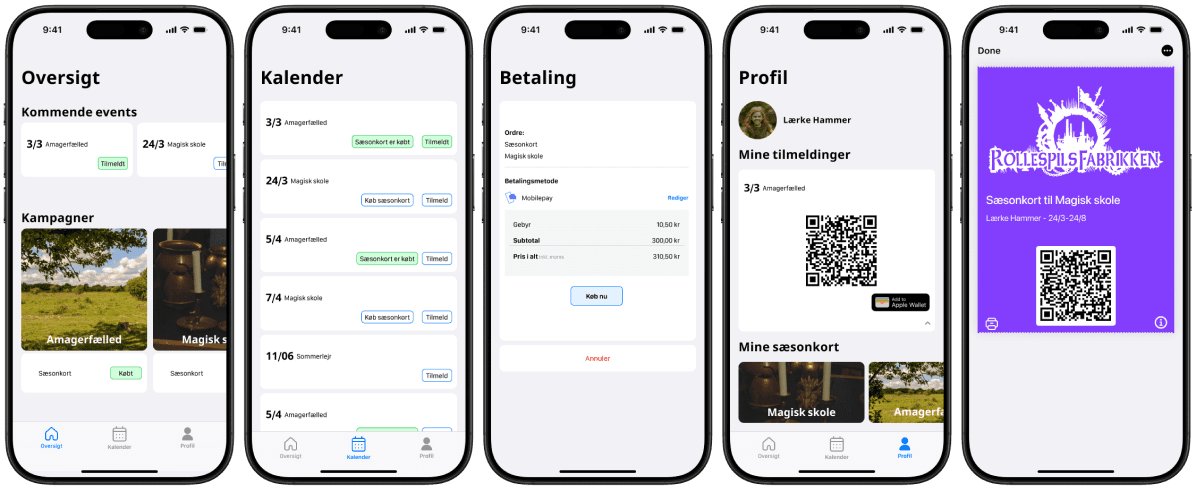
Through this process, event arrivals and check-in flows emerged as a central design opportunity for supporting volunteers during busy periods, which informed the development of a design concept co-created with the community.
participation and workshops
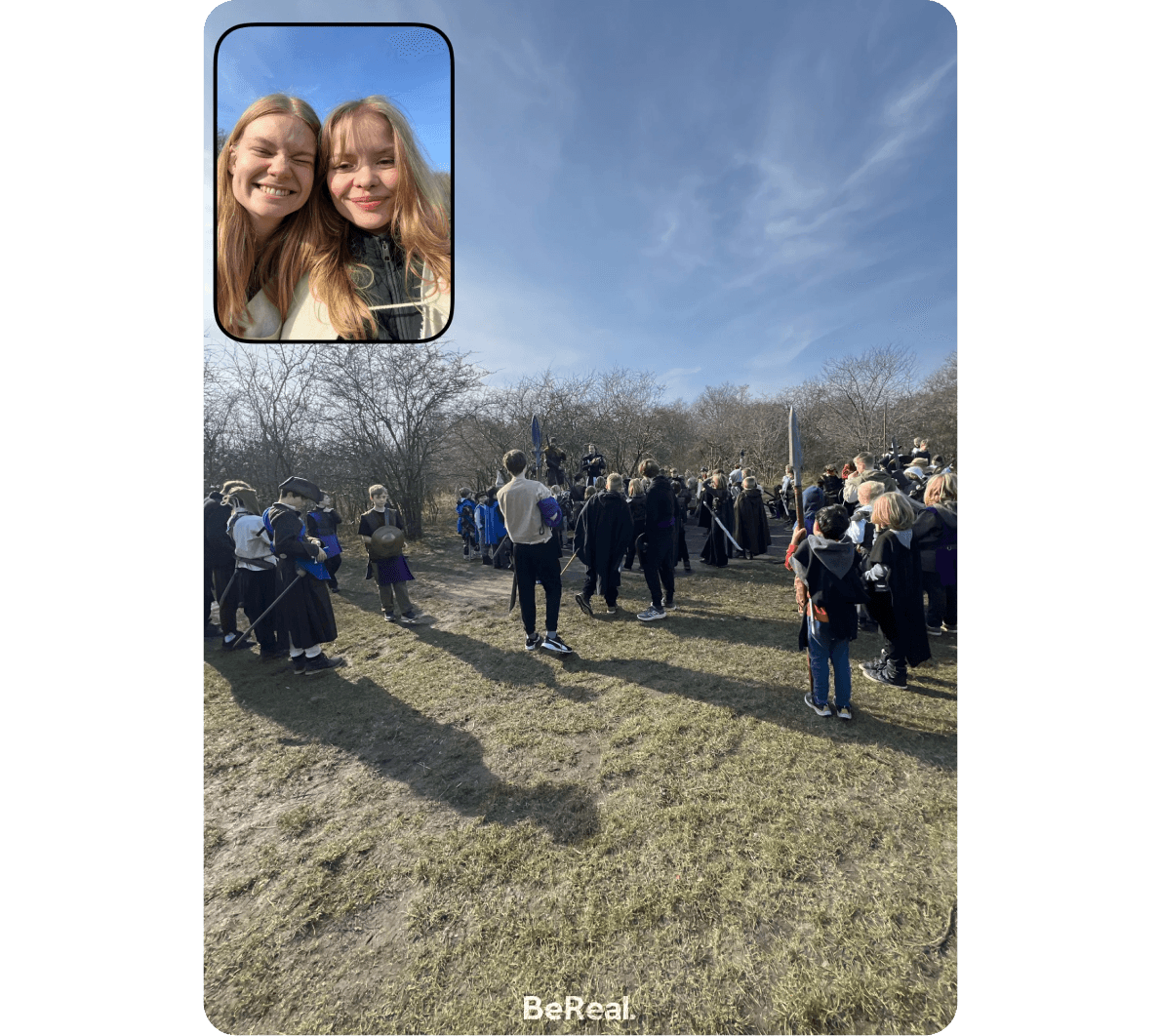
We approached this project with an intention of understanding the community's lived experiences. We visited them at their clubhouse and participated in a live-action role-play in a nature park in Copenhagen. After observing, conversing, and fighting with cardboard swords, we started to develop an understanding of the community's practices, roles, and challenges.
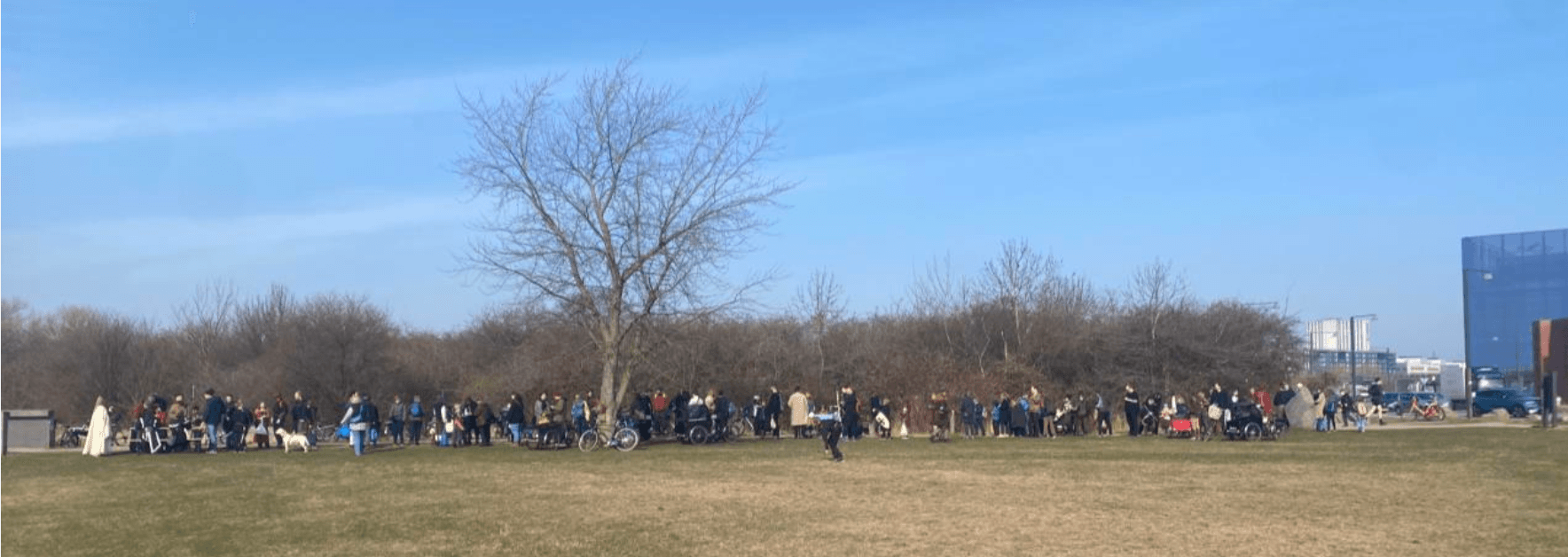
One particular challenge clearly stood out as the most painful one for the community. During check-in at the events, volunteers were constantly required to guide and assist parents of the children participating, causing the queue to be very long. While the parents themselves did not perceive the queue as a big problem, the volunteers were clearly affected, which led us to focus on the volunteers and treat parents as a future stakeholder group.
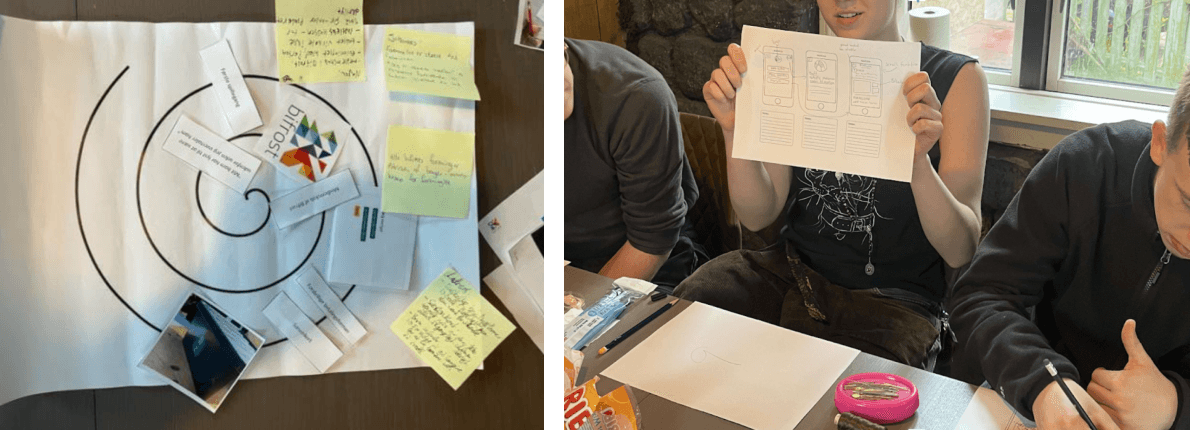
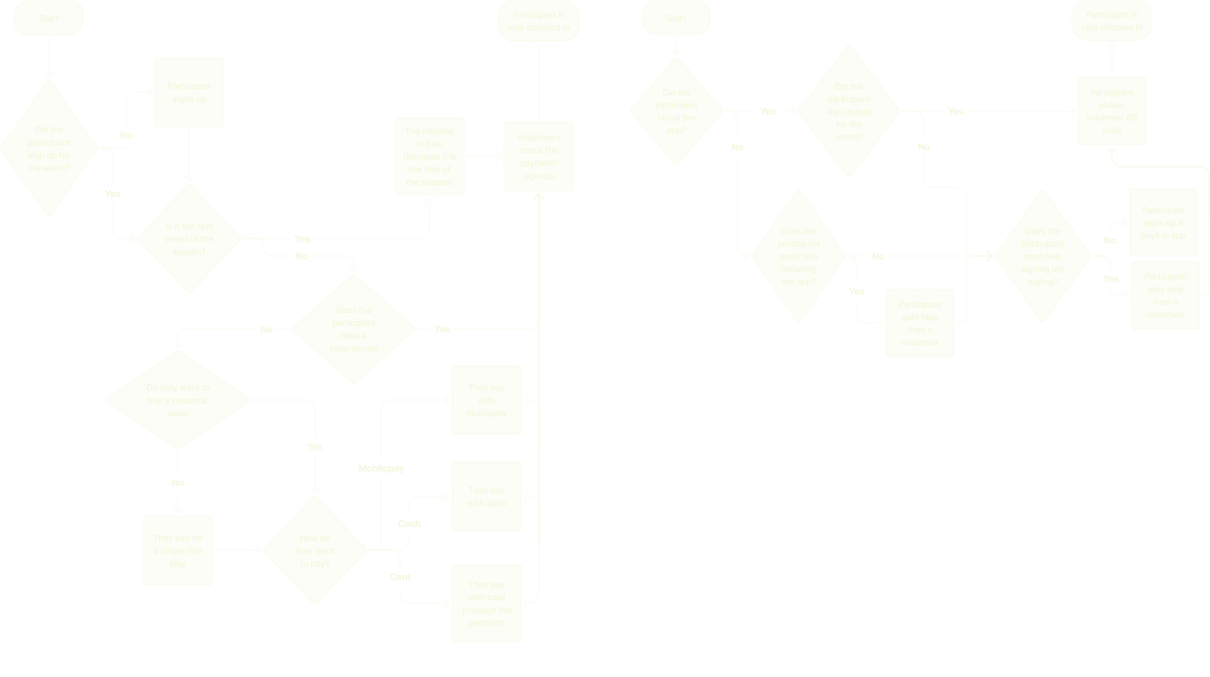
We later learned, as we were exploring the situation through a workshop, that their existing sign-up and payment platform was confusing the parents and generated frequent support requests during event arrivals. Multiple parallel user flows existed depending on the user's situation, resulting in the volunteers handling some issues manually around the platform. The workshop highlighted the need for a simple solution that could be used under time pressure, with minimal interaction steps and fast scanning to avoid delays during peak arrival times.
the concept
To shape a concept that would make check-ins easier for the volunteers, we explored, in collaboration with the volunteers, how a solution could look by imagining and enacting different ways of checking in through scenario-based activities. A wide range of ideas came to life, including additional features and improvements to the existing system. Based on this input, we prioritized, together, the needs that directly reduced volunteer workload.
results
Mutual learning was essential in shaping the final concept. The volunteers learned from us through the use of design tools that supported idea generation and structured conversations. In turn, I learned from the volunteers how playing can make a design process more explorative, open, and creative.